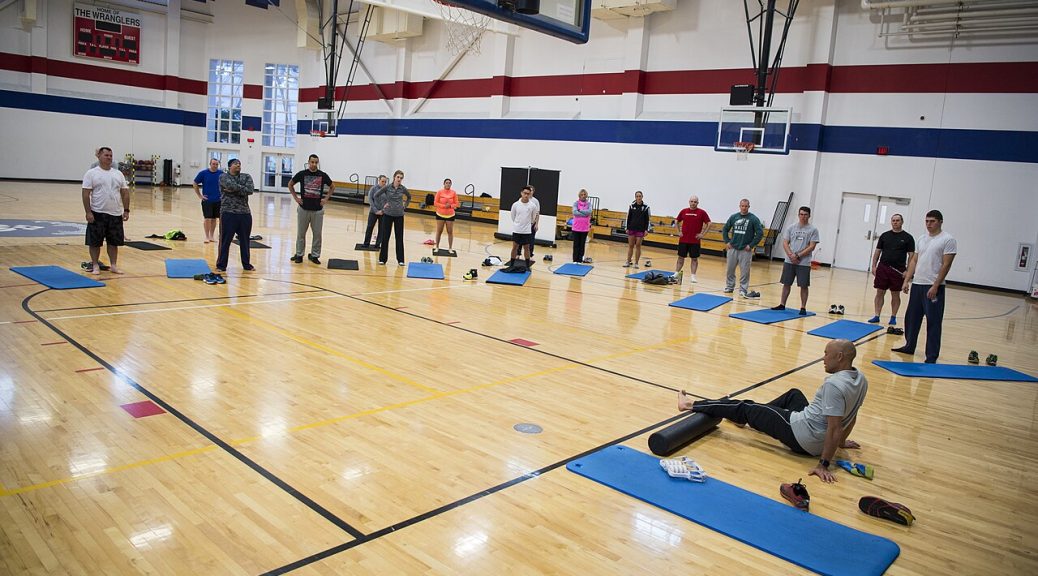
Foam rollers promise looser muscles and easier recovery. Here is what one actually does, how to choose a density and texture, and how to use it safely.
Quick points
- A foam roller is a foam cylinder you lean on to self-massage tight muscles and fascia, using your own bodyweight to control the pressure.
- Start with a smooth, relatively soft roller; firm, textured models press deeper but hurt more and can put beginners off the habit.
- Evidence pooled from 21 studies found small benefits for flexibility, sprint performance and post-exercise soreness, with negligible effects on strength and jumps.
- The effects are temporary, so lasting changes come from consistent movement, strength work, sleep and good nutrition, with the roller as a small extra.
- Do not roll over known injuries or joints, and take care around the lower back; ask a physiotherapist or GP about your own situation.
Wander into most gyms and you will see people rolling their calves and thighs along a large foam cylinder. Foam rollers have become just as common in home workouts, because they are cheap, light and simple to use. This explainer covers what a roller actually does, how the different textures and densities compare, and what the research does and does not support.
What is a foam roller, in plain terms?
A foam roller is exactly what the name suggests: a cylinder made of foam, often about six inches (roughly 15 centimetres) in diameter and a foot or two long. They range from soft and squishy to hard and unforgiving, and in shape from something like a solid pool noodle to rugged textured tubes.
In fitness language, rolling is a form of self-massage called self-myofascial release, or SMR. Fascia is the sheath of connective tissue that wraps around your muscles. When you press a muscle against the roller and move back and forth, your bodyweight provides the pressure, which can ease tension and help the area feel looser. One advantage over a massage therapist, apart from the price, is that you control exactly how much pressure you apply.
People usually reach for rollers over tight spots often called knots or trigger points: areas where muscle or fascia feel tense and form a tender lump. Long periods of sitting, repetitive movements such as carrying a bag the same way every day, and hard training sessions can all contribute.
What do the different shapes and textures do?
Most rollers have a smooth surface, and that is the style we would suggest for a first purchase. Textured rollers add bumps, ridges or grid patterns that press into the tissue more sharply, which some people prefer for larger muscle groups or spots that feel deeply tense. There are also vibrating rollers, roller massage sticks and simple balls, such as a tennis ball, which suit small areas like the shoulder blade region.
The honest answer on shapes and textures is that the differences come down mostly to preference and pressure. Research comparing foam rollers with roller massage bars before exercise found no meaningful practical difference between the devices for warm-up purposes. Any roller will do the same basic job, so choose one that feels manageable rather than one that looks the most aggressive.
What does density mean and why does it matter?
Density describes how firm the foam is, or how much it gives when you lean on it. A softer roller compresses under your bodyweight, spreading the pressure and hurting less. A firm, high-density roller barely squashes at all, so the same position produces a much more intense sensation.
The advice from specialists in physical medicine is simple: start smooth and relatively soft. The softer the roller, the less painful the experience, and a roller that hurts tends to end up in the cupboard. As your tolerance builds, you can move to a firmer model if you want deeper pressure. For general routines, a low to medium density roller and some open floor space is all you need.
Training tip
Start with a smooth, softer roller even if it feels like a beginner’s choice. A roller that is too firm can be off-putting, and comfort matters more than intensity when you are building a new habit.
What does the evidence say foam rolling can and can’t do?
This is where honesty helps, because foam rolling is useful but not magic.
A meta-analysis pooling 21 studies compared rolling before and after exercise. Rolling beforehand produced a small improvement in sprint performance, about 0.7 per cent, and a small improvement in flexibility, about 4 per cent, with negligible effects on jumping and strength. Rolling afterwards slightly reduced the usual dip in sprint and strength performance after hard training, by about 3.1 and 3.9 per cent respectively, and reduced muscle pain perception by about 6 per cent. The researchers concluded the effects are minor and partly negligible overall, but can be worthwhile in specific cases, such as warming up for sprinting or easing post-exercise soreness.
There is also research on soreness directly. In one study, participants who did a heavy squat session then rolled for 20 minutes straight afterwards, and again at 24 and 48 hours, had less quadriceps tenderness over the following days and recovered more of their performance.
What rollers cannot do matters too. The effects are temporary, so a single session fixes nothing permanently. Lasting changes in how your muscles feel come from consistent movement and strength work, with enough sleep, water and nutritious food alongside. And despite marketing claims, there is no scientific evidence that rolling permanently reduces cellulite, although skin may look smoother for a short time.
If flexibility is your goal, rolling seems to work best alongside stretching. One small study found combining foam rolling with static stretching improved range of motion more than either approach alone. Our guide to stretching basics: static, dynamic and when to do each explains how to pair the two.
How do you use one safely for the first time?
The technique is simple. Position the muscle on top of the roller, use your hands or your other leg to control how much weight you are applying, and roll slowly back and forth. Work in sections rather than sweeping the whole limb in one continuous motion, and breathe slowly as you go.
For each muscle group, a common approach is 30 to 60 seconds of rolling, repeated three to five times, at least twice a week. On a single tender spot, 5 to 30 seconds is often enough for the tenderness to ease. Some discomfort is normal over stiff areas, but it should feel like tolerable pressure rather than sharp pain. Daily rolling is fine, and consistency matters more than session length.
An example, for illustration: after an easy jog, you sit on the floor with the roller under one calf, hands on the floor behind you. You lift your hips slightly, roll slowly from just below the knee towards the ankle, and pause for a few seconds over the tender patch halfway down. Thirty to sixty seconds per calf is plenty, and the whole routine takes under five minutes.
If getting down to and up from the floor is difficult, place the roller between your back and a wall and roll standing up instead. This applies less pressure and is easier on the knees and hips.
Rolling before exercise can reduce muscle tension and increase blood flow, so it fits naturally into a warm-up, though it does not replace movement-based warm-up drills. Afterwards, it may limit soreness and stiffness. For more on training sensibly as a newcomer, see our article on how to avoid common beginner exercise injuries.
When is a roller the wrong tool for the job?
A roller is not right for every body part or situation. Do not roll over a known injury, or directly over joints, without permission from a qualified health professional such as a physiotherapist. The lower back also needs care: rolling horizontally across it can encourage your spine to arch into awkward positions. If you work that area at all, place the roller vertically in line with your spine, or use a small ball instead.
Stop if you feel sharp pain, numbness or tingling. Rolling should never mean pushing through genuine pain, and persistent pain deserves a proper assessment rather than more rolling.
Finally, keep the tool in perspective. A roller is one small part of keeping muscles healthy, alongside regular movement, strength work, rest and hydration. Think of it as an inexpensive add-on to a routine built on those foundations, not a substitute for them.
Used sensibly, a foam roller is a low-cost, low-risk way to add a little self-massage before and after workouts, with modest but real benefits for soreness and flexibility. If you are sore after new sessions and wondering what is normal, our explainer on sore after exercise? What DOMS is and what helps is a useful companion, and our guide on how to warm up before exercise shows where a roller fits into a full session.
Questions we get
Do I need a textured roller to get results?
No. Any roller does the same basic job, and the main differences come down to preference and how much pressure you like. A smooth, softer roller is a sensible first choice, and you can move to firmer options later.
Should I foam roll before or after exercise?
Either works. Rolling beforehand may slightly improve flexibility and reduce tension, while rolling afterwards may ease soreness and stiffness. Research suggests the effects are modest either way.
Is it normal for foam rolling to hurt?
Some discomfort over stiff spots is common, but it should feel like tolerable pressure rather than sharp pain. If it hurts sharply, ease off the pressure or switch to a softer roller.
Can I roll over a sore lower back or an injury?
Not without advice from a qualified health professional. Rolling over known injuries or joint areas is not advised, and the lower back needs special care because it is easy to strain.
This article is general information, not personalised medical or fitness advice. Talk to your GP, a physiotherapist or an accredited exercise physiologist before starting a new exercise program if you have a health condition or injury, are pregnant or haven’t been active for a while. In an emergency, call 000.