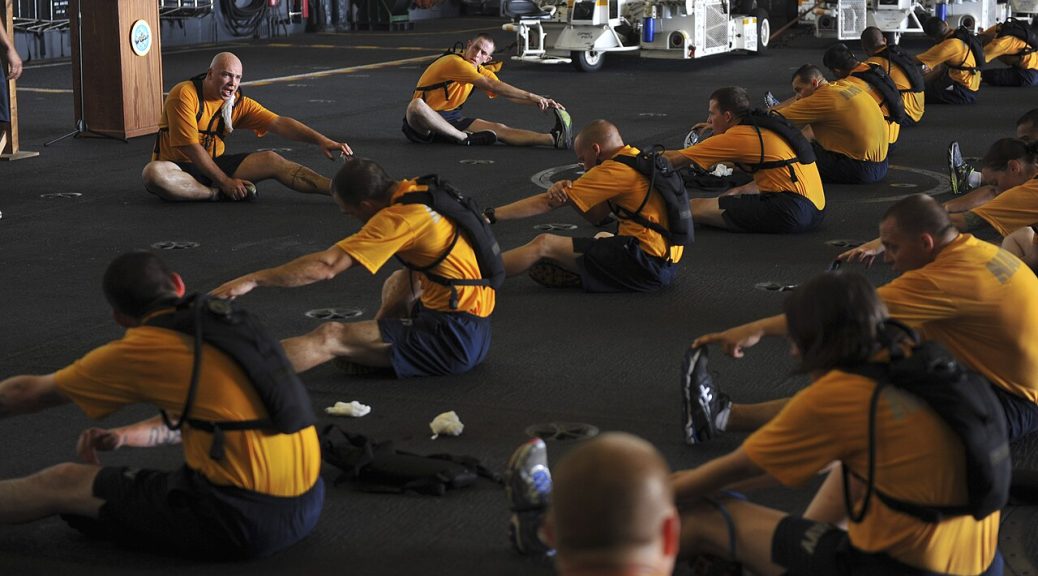
A few easy minutes at the end of your session help your heart rate, breathing and blood pressure settle gradually. Here is a simple routine that works after any workout.
Quick points
- A cool-down eases your heart rate, blood pressure and breathing back to resting levels gradually instead of stopping abruptly.
- Easy movement after hard effort gives your body time to clear waste products that build up in muscles during intense exercise.
- Stretch the muscles you just used with slow, sustained stretches while they are still warm.
- Drink water after your session, since replacing fluids lost through sweat supports recovery.
- If you feel pain, ongoing dizziness or you have a health condition, ask a doctor, physiotherapist or exercise professional for advice.
You have finished your last rep or eased off after a run, and the couch is calling. Before you answer it, a short cool-down gives your body a chance to wind down gradually instead of going straight from full effort to standing still. It needs no equipment, works the same way after a home workout, a gym session or a brisk walk, and the steps below take only a few minutes.
Why a Cool-Down Is Worth the Few Minutes
Exercise pushes your heart rate, blood pressure and breathing well above their resting levels. A cool-down brings those changes back down gradually. Exercise physiologists at the Cleveland Clinic point out that stopping abruptly after hard effort can be jarring for a body that has been pumping blood hard, and that easing your exertion down lets the pressure changes happen slowly.
There are other benefits too. During high intensity exercise, waste products build up in your muscles, and that build-up can contribute to cramps. Gentle movement afterwards gives your body time to clear some of it. The Better Health Channel also lists cooling down as a way to prevent stiffness after sport and notes that skipping it is a known risk factor for muscle and joint injuries.
Step 1: Ease Your Pace Down Gradually
Make the first part of your cool-down a slower version of whatever you were just doing. If you have been running, drop to a gentle jog and then a walk. If you have been cycling, keep the legs turning with little or no resistance. If you finished a strength session, stand up and move around rather than sitting on the bench.
The goal is simple: keep your heart and lungs working, but at a steadily falling level. Think of it as a slide down to rest rather than stepping off a cliff.
Training tip
Resist the urge to sit or lie down the moment you finish your last effort. Staying on your feet and moving gently is what lets your circulation settle smoothly.
Step 2: Keep Moving Gently for a Few Minutes
Once you have dropped the intensity, keep going with something easy. Walking around the room, marching on the spot, rolling your shoulders and gently swinging your arms all count. Your breathing should settle towards normal while you do this.
Easy movement also matters for what comes next. The Better Health Channel notes that cold muscles and connective tissue have less elasticity and are more prone to injury, which is why stretching works best on muscles you have just warmed up.
Step 3: Stretch the Muscles You Just Used
Now that your muscles are warm, move into slow, sustained stretches. Runners and walkers should pay particular attention to the thighs and calves, which do most of the work. After a full-body session, work through the legs, hips, chest, back and shoulders.
A few pointers keep stretching safe:
- Move into each stretch slowly and hold it steady, without bouncing.
- Aim for a gentle pull in the muscle, never pain.
- Keep breathing normally rather than holding your breath.
- Stretch both sides evenly, even if one side feels tighter.
If you are unsure which stretches suit your session, our guide to stretching basics explains the difference between static and dynamic stretching and when each one belongs.
Step 4: Breathe, Hydrate and Check In With Your Body
Finish with a few slow, deep breaths to settle your breathing, then have a drink of water. The Better Health Channel recommends drinking water before, during and after activity to stay hydrated, and for longer or sweatier sessions, our article on electrolyte drinks after exercise covers when plain water may not be enough.
Finally, check in with how your body feels. Healthdirect advises listening to your body during and after exercise. Mild tiredness is normal. Sharp pain, or a joint that feels unstable, is not something to push through.
A Simple Cool-Down Routine to Follow
Put it all together in this order:
- Drop straight into an easier version of your last exercise, such as jogging down to a walk.
- Keep moving gently, walking or marching, until your breathing feels close to normal.
- Stretch the main muscles you used, holding each stretch steady and breathing normally.
- Take a few slow breaths, drink some water and note how your body feels.
Common Cool-Down Mistakes to Avoid
- Stopping dead. Sitting or standing still straight after hard effort is the most common mistake, and it is the abrupt change that can leave you feeling light-headed.
- Bouncing in stretches or pushing into pain. Slow and steady is the aim.
- Skipping it entirely, then wondering why you feel stiff later. The Better Health Channel lists failing to cool down as a risk factor for injury across many sports.
- Ignoring fluids, especially on hot Australian days.
- Confusing normal next-day soreness with injury. Some ache a day or two after new exercise is common, and our article on muscle soreness and DOMS explains what is typical and what helps.
When to Ask a Professional for Advice
If you have a health condition, have not been active for a while, or are returning to exercise after illness, Healthdirect suggests speaking with your doctor before you start, and an exercise physiologist can help design a safe program. Healthdirect also advises people recovering from moderate or severe illness to check with their healthcare provider before returning to exercise, and to start with light activity while paying attention to heart rate and breathing.
For injuries, the Better Health Channel recommends stopping immediately, treating soft tissue injuries with rest, icepacks, compression and elevation, and getting advice from a doctor, physiotherapist or other health professional before returning to your usual activity. None of this replaces a conversation about your own situation, so bring your questions to a qualified professional.
A good cool-down pairs naturally with a good warm-up, so if your session starts feel rushed, our guide on how to warm up before exercise covers the other end of the workout. And if soreness after new sessions keeps catching you out, the DOMS article above will help you work out what is normal and what needs a professional eye.
Questions we get
Do I really need to cool down after every workout?
Public health advice consistently recommends cooling down after exercise to reduce the risk of muscle and joint injuries and to help prevent stiffness. After very light activity such as an easy stroll, simply finishing is fine, but after harder sessions it is worth a few gentle minutes.
Should I stretch before or after my workout?
Slow, sustained stretches suit the cool-down, when your muscles are warm, while dynamic movement belongs in the warm-up before you start. Our stretching basics article explains which type fits each moment.
Why do I feel dizzy if I stop exercising suddenly?
During exercise your heart is pumping blood hard to working muscles, and stopping abruptly can be jarring for the body. Easing your pace down gradually lets your blood pressure and heart rate return to resting levels without that sudden drop.
Is feeling sore the next day a sign I cooled down badly?
Not necessarily. Some soreness a day or two after new or harder exercise is common and is known as DOMS. A cool-down may help with stiffness, but lingering or sharp pain is a reason to speak with a health professional.
This article is general information, not personalised medical or fitness advice. Talk to your GP, a physiotherapist or an accredited exercise physiologist before starting a new exercise program if you have a health condition or injury, are pregnant or haven’t been active for a while. In an emergency, call 000.