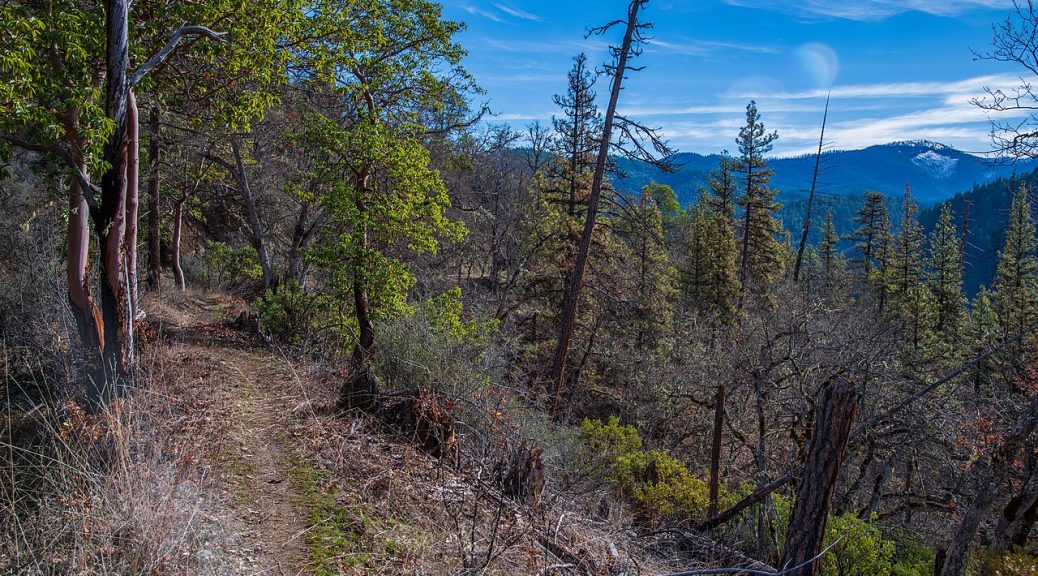
A starter guide for road runners and walkers trying dirt trails, covering how trails differ from pavement, what to wear, effort-based pacing and staying steady on uneven ground.
Quick points
- Trail running means running off road on natural surfaces, and most first-timers can start in their regular running shoes.
- Begin on a short, compacted trail with little elevation change, and expect to move slower for the same effort than on pavement.
- More than 70 per cent of trail running injuries come from overuse, with ankle sprains the most common acute injury, so build up gradually.
- Pace by effort rather than minutes per kilometre, and walking the uphill sections is accepted practice among trail runners.
- Check the park’s website for closures and conditions before you go, and let someone know where you are heading.
If your usual run or walk follows the same flat footpath, a dirt trail can make the whole thing feel new again. Trail running simply means running off road, on surfaces such as dirt, gravel, grass or rock. One research description of the sport counts it as trail running when the surface is at most 20 per cent paved, but the practical meaning is simpler: if the ground under your feet is not pavement, you are trail running. You do not need mountains, special gear or a race entry to start. This guide covers how trails differ from pavement, what to wear, how to pace yourself and how to stay steady on uneven ground.
How Trails Differ From Road Running
On pavement, every stride lands on the same flat surface. On a trail, the ground changes constantly: loose gravel one moment, a tree root the next, then a short climb or a rocky descent. The biggest difference is grip, or the lack of it. Surfaces that feel firm when you walk can slide underfoot when you push off, and it takes time to build confidence, especially on loose gravel.
That variety changes how your body works. Your feet and legs make small adjustments on every step to keep you balanced, so the same distance costs more energy than it would on the road. It is also a genuine way to build strength, because climbs, descents and uneven ground load your muscles differently from flat pavement. Expect to move slower for the same effort and treat that as part of the deal rather than a setback. Trail distances range from a few kilometres to events of 80 kilometres or more, so there is plenty of room to grow.
Choosing Your First Trail: Grade, Surface and Distance
Grade describes how steep a track is, and surface describes what it is made of. For a first trail, look for three things: a compacted surface, no big changes in elevation and a short distance. A flat, well-maintained dirt loop through a city park or along a river is a far better first outing than a mountain track.
Pick a distance shorter than your usual road run, because uneven ground and small hills take more out of you than the same distance on pavement. If you usually jog 5 kilometres on the road, a 3 kilometre dirt loop is a solid first target.
A few other things make a first outing easier:
- Research the area before you go and download a map or GPS file to your phone.
- Take a friend if you can. Company makes the outing safer and more enjoyable.
- Check whether the route is shared with walkers, cyclists or both, and whether drinking water is available.
- If you prefer guidance, some running clubs run beginner trail sessions, and parks offer guided experiences through licensed tour operators.
If you like having a goal, some trail running events include short options aimed at newcomers, with some festivals offering 5 kilometre courses.
What to Wear and Carry on Uneven Ground
Good news first: you can run most trails in your regular running shoes, especially easy, dry ones close to home. There is no need to buy anything before your first outing.
If trails become a regular thing, trail running shoes are worth a look. They are built tougher than road shoes, with extra grip and support, and they generally last longer. When comparing options, these features matter most:
| Feature | What it does for you |
|---|---|
| Traction | Chunky lugs or grip patterns that work in several directions help the outsole hold on slippery mud, stones and roots |
| Durability | Tougher uppers, with extra material over the toe area, shield your feet from knocks and loose debris |
| Fit and comfort | A secure fit without squeezing helps prevent blisters and stops your foot sliding inside the shoe |
| Stability | A supportive midsole and a heel and ankle that hold firmly help you stay in control when the ground turns unpredictable |
Fit still comes first, whatever a shoe is designed for. Our guide to picking running shoes that fit covers the fitting checks in detail.
For everything else, keep it simple. Trail shoes and a raincoat are basic starter items, and you can add to your gear as the run’s distance and setting demand. Lightweight, packable layers are handy for longer runs or changeable conditions, because weather can shift quickly on a trail. Carry at least a small bottle of water even on short outings, and do not rely on drinking water being available along the way.
Health warning
Before any trail outing, let someone know where you are going and roughly when you expect to be back.
Pacing by Effort Instead of Pace
On the road, many runners track their minutes per kilometre. On trails, that number stops meaning much, because one short steep climb can slow you more than a whole kilometre of flat ground. Pacing by effort solves the problem.
Effort means how hard the movement feels, rather than what your watch says. A conversational effort is one where you could speak in short sentences while moving, and that is the right level for most of your trail time. When the trail tilts uphill or turns technical, which means the ground is littered with rocks, roots or steps that need your attention, slow down or walk.
There is an unwritten rule among trail runners that you do not have to run up the hills, and nobody will judge you for hiking them. Walking the steep parts keeps your effort steady, saves your legs for the descent and makes the whole outing more enjoyable. Alternating short jogging sections with walking breaks works well on trails too, and it is the same principle many beginners use when moving from walking to jogging.
Foot Placement and Avoiding Common Trail Injuries
Trail running injuries mostly happen in the lower leg, with the knee and ankle the areas most affected. Ankle sprains are the most common acute injury, and more than 70 per cent of trail running injuries come from overuse rather than a single fall or twist. That is worth knowing, because overuse problems tend to build gradually, which means sensible habits genuinely lower your risk.
Research into the sport points to three factors behind injury: reduced balance and coordination, running through fatigue, and awkward movements on variable terrain. You can work on all three:
- Look a few steps ahead rather than straight down, so you can pick a safe line early.
- Shorten your stride and take quicker, smaller steps on rocky or downhill sections. Adjusting your cadence and step length on the trail may help reduce impact-related injury risk.
- Ease off when tired. Fatigue is when form slips and sprains happen.
- Add balance, strength and core work to your week. Programs that combine dynamic flexibility, neuromotor strength and balance, and plyometric exercises can help create stable, controlled movement on trails.
Build up gradually instead of jumping from flat road mileage straight to long, hilly trail runs. Our guide to avoiding common beginner exercise injuries covers the early warning signs worth knowing.
One optional extra is a pair of hiking poles. Regular users report better stability, improved balance and less stress on the joints, especially on rugged terrain, though many beginners prefer to build confidence without them first.
Trail Etiquette and Sharing the Path
Most beginner-friendly trails are shared with walkers, and sometimes with cyclists as well. A few courtesies keep everyone happy:
- Expect people coming the other way, especially on narrow sections, and slow down to pass safely.
- Call out a friendly warning before overtaking so nobody is startled.
- Step aside and let walkers through on steep or narrow parts.
- Stay on the marked track and take your rubbish with you.
Dogs are welcome on many trails, but rules differ between parks and reserves. Some parks, including national parks in Victoria, are generally dog prohibited, though assistance dogs are welcome and entry requirements apply. Check the rules for your specific park before you bring a dog along.
When to Check Park Rules and Conditions First
Trails are living environments, and conditions change with weather, maintenance work and seasonal risks. The natural environment can be unpredictable, and a little planning makes a real difference. Before you go, check the managing authority’s website for changed conditions and closures. Rain can leave access roads slippery, close sections of track or put detours in place, and some projects temporarily restrict certain areas for public safety.
Three quick checks cover most situations:
- Closures and detours: follow the posted signs, and never drive through flood water or around closed roads.
- Maps and guides: many parks publish visitor guides and maps you can download before you leave home.
- Park-specific rules: entry requirements, dog rules and track access vary between states and between parks, so check the website for the park you plan to visit.
If a track is closed or a detour is signposted, take the detour. Closures exist because the alternative is unsafe.
Here is your first step. Find one flat, compacted dirt loop near you, such as an unsealed path in a city park, and walk it once this week at an easy pace. Notice how the surface feels underfoot and where your eyes naturally land. Next visit, jog short sections of it at a conversational effort, walking whenever the ground turns rough.
When you are ready to plan more trail time, our glossary of running terms explains the jargon you will hear at group runs and events, and our gentle eight-week walking to jogging plan builds the base fitness that carries you up your first climb.
Questions we get
Do I need special shoes for trail running?
Not for an easy, dry first trail. If you keep going, trail running shoes offer extra grip and support and are built tougher than road shoes.
How far should my first trail run be?
Shorter than your usual road distance, because uneven ground takes more energy. A loop that feels easy on pavement can feel surprisingly demanding on dirt.
Is it okay to walk uphill on a trail run?
Yes. There is an unwritten rule among trail runners that you do not have to run the hills, and walking them keeps your effort steady.
How do I check whether a trail is open?
Check the managing authority’s website for changed conditions and closures before you go. Follow any detour signage and never go around closed tracks.
This article is general information, not personalised medical or fitness advice. Talk to your GP, a physiotherapist or an accredited exercise physiologist before starting a new exercise program if you have a health condition or injury, are pregnant or haven’t been active for a while. In an emergency, call 000.