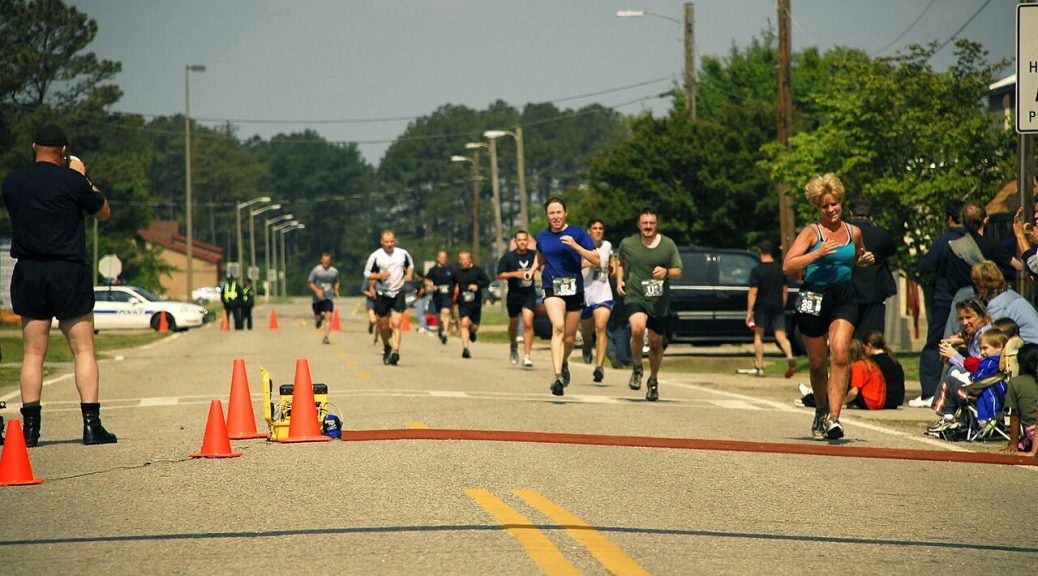
From choosing a distance and testing your gear to tapering, race-day pacing and recovery, here is what to do in the weeks before and after your first community fun run.
Quick points
- Most 5km fun runs in Australia are beginner friendly, with walking accepted and no time limit at most events; beginners typically finish in 35 to 60 minutes.
- Build up gradually, peaking about three weeks out, then reduce your training volume while keeping a few short, sharp bursts to stay fresh.
- Test your shoes, socks, clothes, food and drink during training so nothing on race day is new to your body.
- Stop and seek help at an aid station if you feel chest pain, unusual breathlessness or palpitations during training or the event.
- Cool down afterwards, expect some soreness for a day or two, then keep the habit going with something like a free weekly parkrun.
Signing up for a community fun run is one of the clearest ways to give your walking or jogging a purpose. The good news is that most short events in Australia are built for beginners: walking is accepted, times are relaxed and the crowd includes every age and ability. About one in five Australians try running or jogging at some stage, so the start line will be friendlier than you might expect. This timeline sets out what to do and when, from choosing a distance to recovering at the finish.
Six to Eight Weeks Out: Choosing a Distance You Can Reach
Start by picking an event and reading its details. Check the course map, because a flat coastal loop needs different preparation from a hilly trail course. Most 5km events in Australia are genuinely beginner friendly, walking is completely accepted at many of them, and there is no time limit at most events. Beginners typically finish a 5km run or walk somewhere between 35 and 60 minutes.
Next, work out a realistic starting point. Public health advice is that beginners should start with brisk walking, progress to jogging and build up to running over a few months, so pick a distance that fits where you are now rather than where you would like to be. If you are new to running altogether, our plan for moving from walking to jogging gives you a gentle structure to follow.
Interval sessions are a useful way to build up. One example is a 30-minute session with four minutes of walking followed by one minute of running, then adding an extra minute of running each week. Before you start, see your doctor for a check-up, especially if you are over 40, have not exercised in a long time, are overweight or live with a chronic condition. Taking the adult pre-exercise screening tool along to that appointment is a sensible move. If you need new shoes, sort them now rather than in race week; our guide to picking running shoes that fit walks through the fitting checks.
Two to Three Weeks Out: Testing Your Kit and Fuel
Your longest and hardest sessions should land around the three-week mark, after which training gradually winds down. That makes this stretch the right time to test everything you plan to use on race day.
Wear the shoes, socks and clothes you expect to race in, and do it during your longer sessions. Thick, comfortable socks and lightweight shoes with support are the basics, and for Australian summer events a hat and sunscreen belong on the list too. A blister discovered in week two is a small inconvenience; a blister discovered on race morning is a much bigger problem.
The same logic applies to food and drink. Eat normally in the lead-up and do not experiment with new foods close to the event. If your run will start early, practise your breakfast on training mornings so you know what sits well, and drink water before and after sessions. Hydration is not something you can fix on the morning itself; it takes days of steady drinking to be well hydrated, particularly in warm weather.
The Final Week: Easing Off and Sleeping Well
Research on tapering suggests that 8 to 14 days of reduced training works well for endurance events, though a taper for a 5km race can be as short as three or four days of reduced effort. The idea is the same either way: cut the amount you run, but keep a little sharpness. Short pick-ups or strides in a couple of sessions help your legs remember quick turnover without piling on fatigue.
Plan one complete rest day in the final week. Extra sleep matters too, because sleep is when your body does much of its repair. With training time freed up, spend a few extra minutes stretching and rolling your muscles, and keep drinking steadily through the week. Heavy or sluggish legs during a taper are common and temporary; they usually settle by race day.
The Night Before and Race Morning Checklist
Coaches often observe that the runners who do best are the ones who rehearse their routine and commit to it, from meals to clothing to warm-up. Lay everything out the night before so the morning stays simple:
- Registration or race number if the event uses them, plus pins if supplied
- The shoes and socks you have already tested
- Hat, sunscreen and clothing suited to the forecast
- Water bottle and any snack you have practised with
- A warm layer for standing around at the start
For breakfast, eat something familiar rather than trying anything new, and leave a gap after eating before you start moving.
Plan to arrive with time to spare. A race-day warm-up for trained runners looks like 10 to 15 minutes of easy jogging followed by a few short strides, but if you are run-walking the event, a brisk walk and some gentle dynamic movement does the same job.
During the Event: Pacing and Listening to Your Body
The most common race-day mistake is starting too fast. Adrenaline, a crowd and fresh legs all push you out quicker than your training pace, and the cost arrives in the second half. Start slower than feels necessary and settle into an effort where you could speak in short sentences. If you trained with a run-walk approach, stick with it rather than abandoning it because everyone around you is running. Walking is completely accepted at most community events, and finishing is the goal that matters.
Health warning
Stop and seek help at an aid station or from event staff if you experience chest pain, unusual shortness of breath, heart palpitations or simply feel unwell. Exercise should challenge you, but it should not make you feel sick.
After the Finish Line: Recovery and What Comes Next
Keep moving for a few minutes after you cross the line rather than stopping dead, then cool down with easy walking and some gentle stretches. Drink water over the following hours, and expect some soreness in the next day or two. Delayed onset muscle soreness is normal after a bigger effort than usual, and it settles on its own within a few days for most people.
Once the soreness fades, think about what comes next. Regular running or jogging supports fitness, mental health and healthy ageing, and mixing running with other activities such as swimming or team sports rounds out your overall fitness. A free weekly 5km event such as parkrun, held on Saturday mornings at hundreds of locations around Australia, is a popular next step for keeping the habit going.
If you would like a refresher on the method behind those run-walk intervals, or you are wondering why your legs ache two days after the event, our guides to the run-walk method and what DOMS is and what helps are good places to continue.
Questions we get
Do I need to run the whole way?
No. Most community fun runs happily accept walkers and run-walkers, and finishing is the goal that matters. Sticking to the run-walk approach you trained with usually works better than switching on the day.
How far in advance should I start preparing?
Eight weeks is a common runway for a first 5km event, though the right timeframe depends on your starting fitness. General advice for beginners is to progress from brisk walking to jogging over a few months.
What should I eat on race morning?
Something familiar that you have already practised before training sessions, with a gap between eating and starting. Avoid trying new foods in the days before the event.
Should I rest completely before the race?
Not for the whole week. Reduce how much you run, keep one or two short sessions with a few quick pick-ups, and include at least one full rest day.
This article is general information, not personalised medical or fitness advice. Talk to your GP, a physiotherapist or an accredited exercise physiologist before starting a new exercise program if you have a health condition or injury, are pregnant or haven’t been active for a while. In an emergency, call 000.